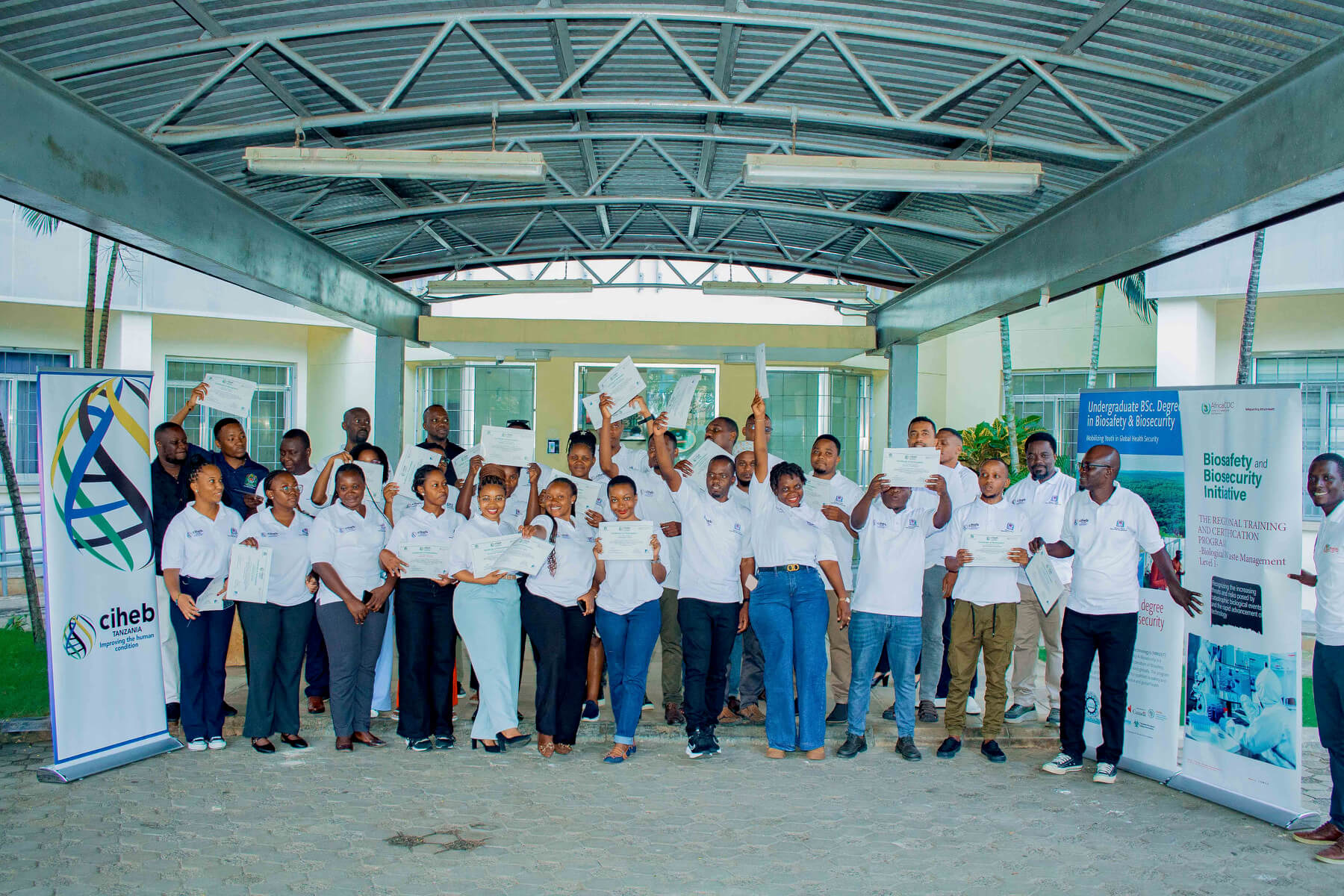
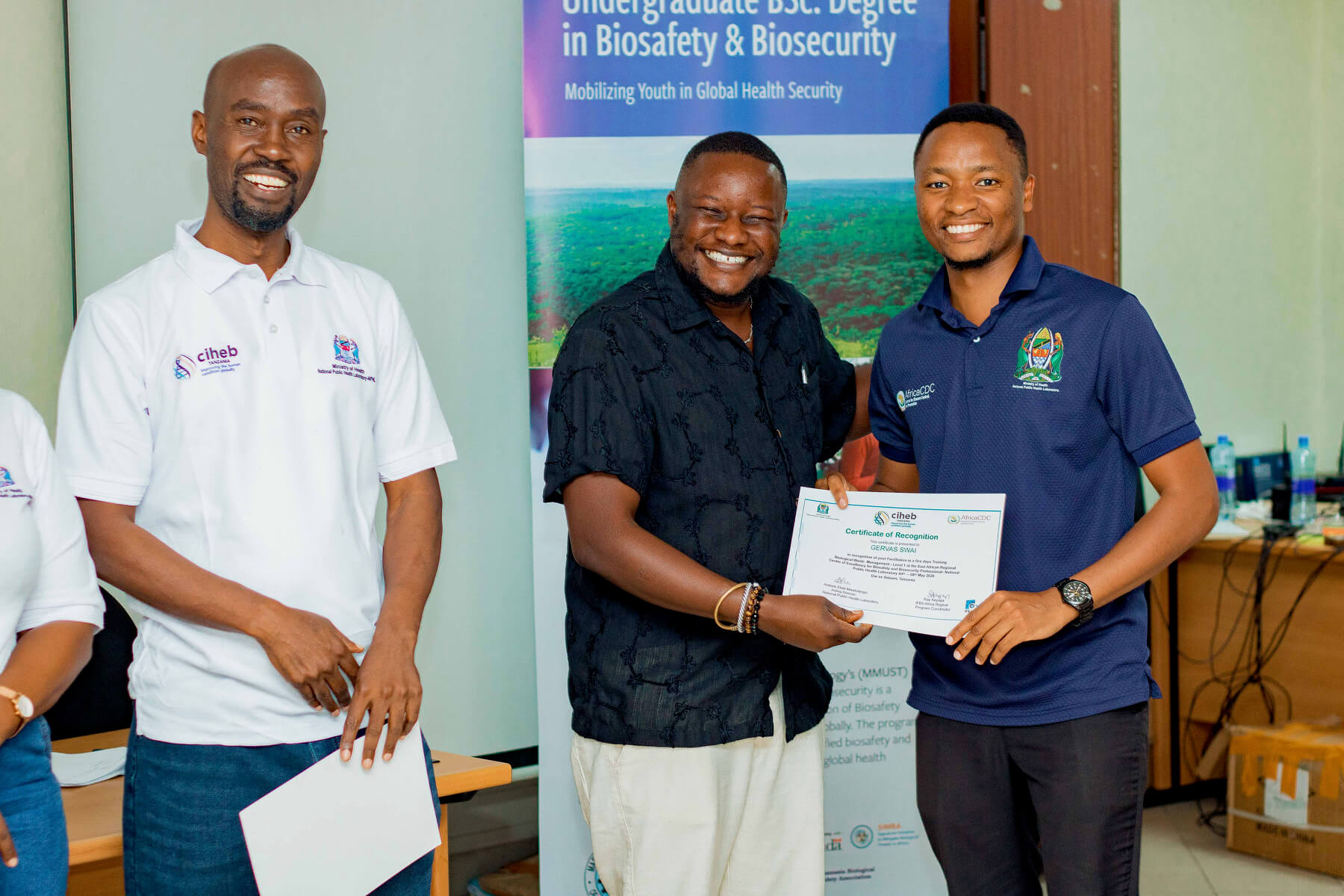
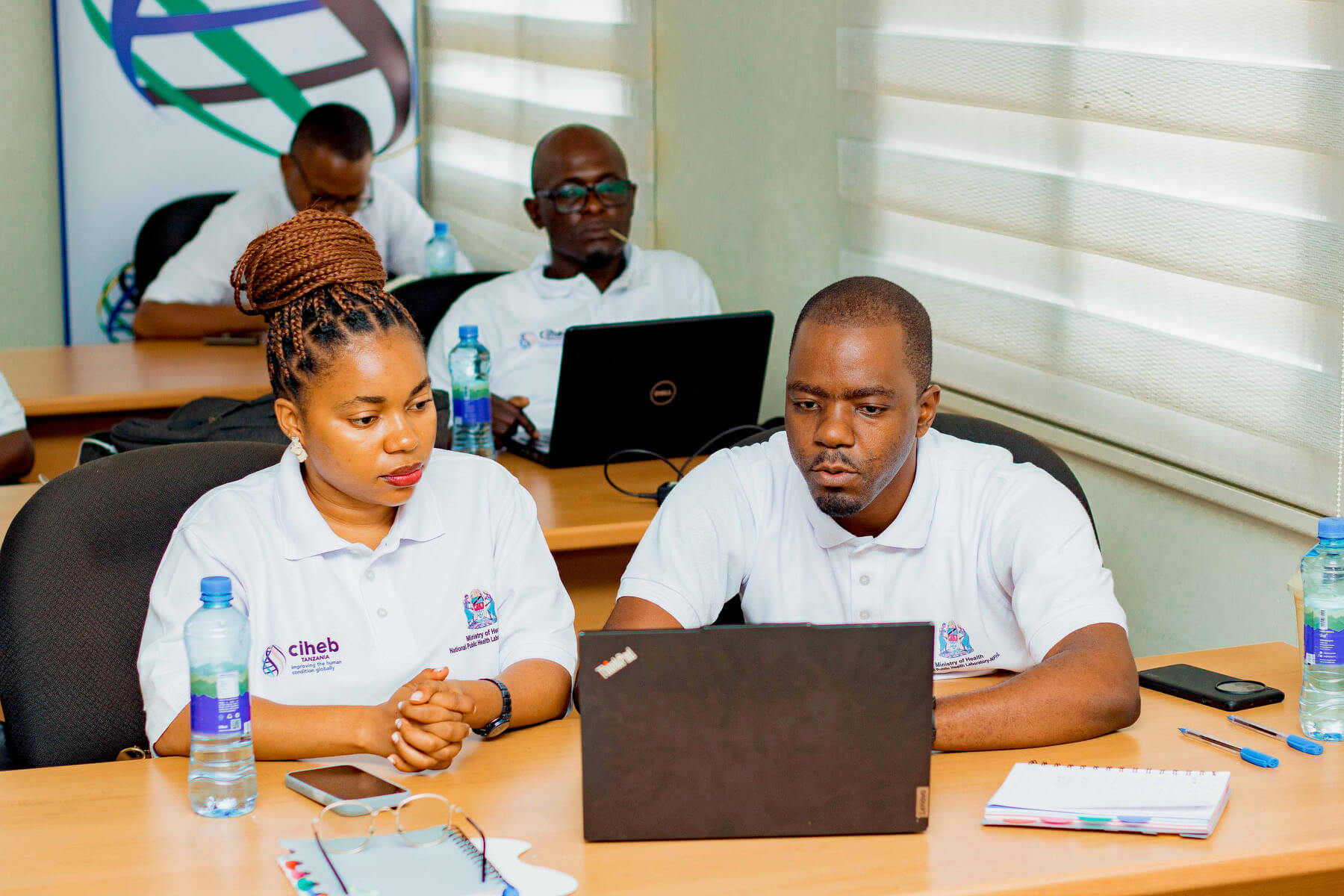
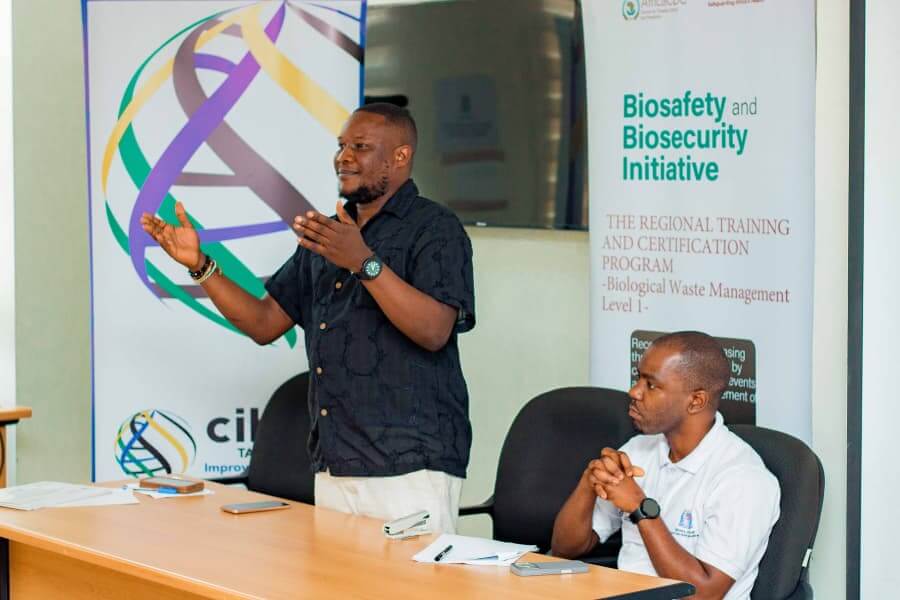
The International Federation of Biosafety Associations (IFBA), in collaboration with the Africa Centres for Disease Control and Prevention (Africa CDC), the Centre for International Health Education and Biosecurity (CIHEB Tanzania), and the National Public Health Laboratory (NPHL), successfully conducted the Biological Waste Management Level 1 Training and Certification Workshop from 04–08 May 2026 at the East Africa Regional Centre of Excellence in Biosafety and Biosecurity in Dar es Salaam, Tanzania.
The five-day workshop brought together laboratory professionals and biosafety practitioners from across Tanzania with the aim of strengthening competencies in biological waste management, biosafety, and biosecurity practices within both laboratory and field environments. Delivering opening remarks on behalf of IFBA, Dr. Ray Kayaga, IFBA Africa Regional Program Coordinator, emphasized that effective biological waste management is a fundamental pillar of public health protection, environmental stewardship, and resilient laboratory systems. He further highlighted the importance of strong partnerships and sustainable capacity-building initiatives in advancing biosafety and biosecurity across the region.
The workshop was further enriched by the presence and technical contribution of Mr. Geoff Jagero, an internationally recognized subject matter expert and IFBA Special Consultant alongside Mr. Davis Kuchaka, a National Subject Matter Expert in Biosafety and Biosecurity and IFBA certified professional, whose combined expertise added valuable practical insights and strengthened participant engagement throughout the training. Their participation reinforced IFBA’s continued commitment to advancing professional development, certification pathways, and institutional capacity strengthening efforts across Africa.
Importantly, the workshop also served as a platform to promote the groundbreaking undergraduate Biosafety and Biosecurity Degree Program hosted at Masinde Muliro University of Science and Technology (MMUST) in Kenya. The program represents a major milestone in developing a skilled biosafety and biosecurity workforce within the region. Participants were encouraged to explore the program as an opportunity to gain specialized academic training and internationally relevant competencies needed to strengthen laboratory systems, outbreak preparedness, and health security across Africa. The initiative reflects a shared vision of building a sustainable pipeline of qualified biosafety and biosecurity professionals capable of responding effectively to emerging biological threats.
The training also demonstrated a strong commitment toward strengthening practical learning environments within Tanzania’s host institutions, including the Tanzania Veterinary Laboratory Agency and the National Public Health Laboratory, while creating meaningful pathways for professionals to pursue internationally recognized certifications through Africa CDC and IFBA. Particular emphasis was placed on promoting inclusive participation and advancing opportunities for women professionals within the biosafety and biosecurity workforce.
This accomplishment marks an important step toward strengthening workforce competency, enhancing preparedness and response to biological threats, and contributing to regional and global health security. The successful delivery of the workshop reflects the growing impact of collaborative partnerships among national, regional, and international stakeholders dedicated to advancing biosafety and biosecurity education, certification, and workforce development throughout Africa.
IFBA gratefully acknowledges the support of the Global Affairs Canada’s Weapons Threat Reduction Program, whose partnership has enabled this important work and continues to strengthen biosafety and biosecurity systems across the continent.